
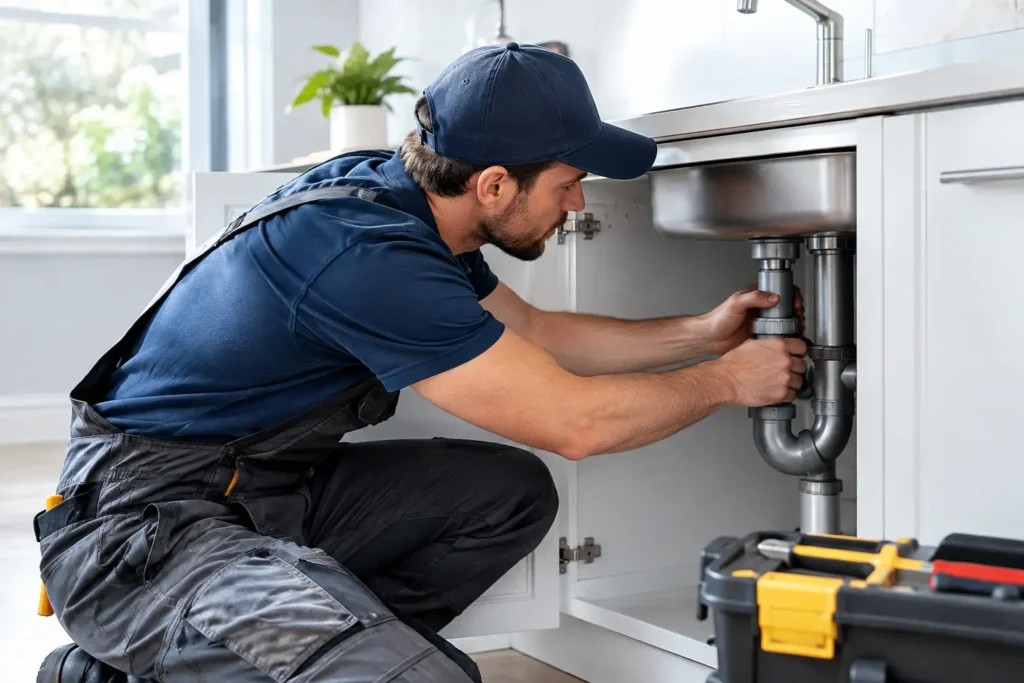
A slow drip under the sink, a cabinet door pulling away from the wall, or water collecting around a toilet may look like small problems. They are often the first warning that a larger, more expensive repair is coming. The right home repairs protect more than appearances. They protect your plumbing, finishes, indoor air quality, and the value of your property.
The challenge for most homeowners is not knowing that something needs attention. It is deciding what can wait, what needs a professional now, and who can handle the full job without sending them from one contractor to another. That is where fast response, available materials, and accountable workmanship make a real difference.
Home Repairs: Know What Cannot Wait
Not every repair is an emergency, but waiting is rarely free. Water moves behind walls and under flooring. A loose fixture can damage plumbing connections. Damaged cabinets can worsen quickly when hinges, screws, or mounting points fail.
Call for professional help promptly when you notice water where it should not be, a sudden loss of water pressure, repeated drain backups, sewage odors, stains spreading across a ceiling or wall, or a toilet that rocks at the base. These issues can signal leaks, failed seals, damaged supply lines, or drainage problems that need more than a temporary fix.
Electrical concerns also deserve immediate attention. Flickering lights, warm outlets, buzzing switches, and breakers that trip repeatedly should not be treated as minor inconveniences. The same applies to structural changes such as sagging cabinets, soft flooring near a bathroom, or cracks that continue to grow.
A good rule is simple: if the issue involves water, power, safety, or a surface that is getting worse, address it now. A repair performed early is usually cleaner, faster, and less disruptive than rebuilding after hidden damage spreads.
The Repair Problems Homeowners See Most Often
Plumbing leaks and failing fixtures
A dripping faucet may need a cartridge or seal replacement. A leak under a sink may be caused by a loose connection, worn supply line, failed drain assembly, or corrosion. The cause matters. Tightening a fitting without identifying why it loosened can turn a small drip into a damaged cabinet base.
Bathroom plumbing needs the same attention. A running toilet wastes water, while a leaking toilet base can damage subflooring before the problem is visible. Shower valves, tub drains, and old caulking can also allow moisture into places it does not belong.
For urgent plumbing issues, speed matters. Having access to emergency service helps homeowners stop the damage before it reaches cabinets, drywall, flooring, or neighboring units in a multi-family property.
Kitchen cabinets, countertops, and sinks
The kitchen takes daily abuse. Doors are opened hundreds of times, drawers are overloaded, sinks see constant moisture, and countertops handle heat, impact, and spills. Common repair needs include loose hinges, misaligned drawers, swollen cabinet panels, cracked caulk, failed sink seals, and damaged countertop edges.
Some issues can be repaired. Others are signs that replacement makes more financial sense. If a single hinge is loose or a drawer slide has failed, a targeted repair may restore the cabinet quickly. If water has swollen the cabinet box, the bottom is soft, or several doors no longer align, replacing the affected cabinetry may provide a more durable result.
The same decision applies to countertops. Minor seam or caulk issues can often be corrected. Cracks, lifting sections, or water damage around a sink cutout may require a larger repair or replacement. The best answer depends on the condition of the materials, the source of the damage, and whether the underlying plumbing problem has been fixed first.
Bathroom wear that leads to damage
Bathrooms are small rooms with big repair risks. Humidity, repeated water exposure, and heavy daily use wear down grout, caulk, fixtures, and flooring. A loose tile or cracked grout line is not always an emergency, but it should be inspected before moisture reaches the wallboard or subfloor.
Poor ventilation can make matters worse. Peeling paint, mildew, and persistent dampness often point to a ventilation issue, a hidden leak, or both. Replacing a vanity or installing new finishes without correcting the moisture source only hides the problem for a while.
Interior walls, flooring, and finish repairs
Drywall damage, worn trim, cracked paint, and damaged flooring can make a home feel neglected, but they can also reveal bigger concerns. Ceiling stains may indicate a plumbing leak above. Repeated cracks near doors or windows may be related to movement or poor prior repairs. Soft flooring often means water has already reached the materials underneath.
The right repair starts with the cause, not just the visible mark. Covering a stain without finding the leak is wasted work. Replacing flooring without checking for moisture can lead to the same failure again.
Repair First or Renovate the Space?
A focused repair is the right choice when the problem is isolated, the surrounding materials are still sound, and the fix will provide lasting performance. Replacing a faucet, repairing a drain, rehanging a cabinet door, or correcting damaged drywall can solve the issue without turning the project into a full renovation.
Renovation becomes the smarter route when several systems are failing at once or when repairs would only extend the life of outdated, damaged materials. For example, a kitchen with water-damaged base cabinets, an aging sink, failing countertop seams, and outdated plumbing may cost less to address as one coordinated project than as a series of separate calls.
There is a trade-off. A repair is usually less expensive upfront and can restore function quickly. A renovation requires more planning and a larger investment, but it can solve connected problems at once and improve the room for years. The key is getting a direct assessment instead of being pushed toward a bigger project that does not fit the actual condition of the home.
Why One Company Makes Home Repair Easier
Home repair becomes frustrating when homeowners have to coordinate a plumber, cabinet supplier, countertop installer, drywall crew, and painter just to finish one room. Scheduling gaps create delays. Materials arrive late. One contractor blames another when a detail is missed.
A single provider that can supply materials and perform installation reduces that friction. The team can assess the issue, recommend the right repair or replacement, coordinate the work, and stay accountable through completion. That is especially valuable in kitchens and bathrooms, where cabinets, countertops, sinks, faucets, plumbing, and wall repairs all connect.
Material availability matters too. A project cannot move forward when cabinets or countertops are stuck on backorder. In-stock options allow decisions to become action quickly, whether the work is a planned upgrade or a repair that cannot sit for weeks.
What to Expect From a Professional Repair Visit
A dependable repair process should be clear from the start. The work should begin with an inspection of the affected area and a discussion of what you are seeing, when it started, and whether the issue has changed. From there, the contractor should explain the likely cause, the recommended scope of work, and whether related damage needs attention.
You should also get straight answers about materials, timing, and what the repair includes. If a cabinet needs replacement, ask whether the sink, countertop, plumbing connections, and surrounding finish work will be handled as part of the job. If a leak caused damage, confirm that the leak itself will be corrected before cosmetic repairs begin.
Guaranteed workmanship is not just a selling point. It is a sign that the company stands behind the installation and cares about the result after the crew leaves.
Keep Small Issues From Becoming Major Work
Homeowners do not need to inspect every inch of the house each week. A few practical habits can catch trouble early. Check under sinks after plumbing work or heavy use. Watch for changes in water pressure, slow drains, or moisture around toilet bases. Open cabinet doors near sinks and look for swelling, stains, or musty odors.
In the kitchen and bathroom, replace failing caulk before gaps widen. Do not overload damaged drawers or ignore cabinet doors that are pulling loose. Clean spills quickly, especially near countertop seams and cabinet edges. These simple steps will not prevent every repair, but they give you a better chance to act before damage moves behind finished surfaces.
When a repair affects your kitchen, bathroom, plumbing, or interior finishes, one call to Cobo Kitchen Master & Home Repair can bring the work under one roof. Address the problem while it is still manageable, and give your home the solid, finished result it deserves.